When I was starting out in photography, I kept hearing the same advice: professional photographers always shoot in manual mode.
So, naturally, I followed it. And it helped. Learning manual mode taught me how aperture, shutter speed, and ISO work together. It gave me confidence with my camera and made me feel like I finally understood what I was doing.
But somewhere along the way, that useful lesson became a crutch. I got so comfortable making every exposure decision myself that letting the camera change a setting felt like giving up control. Even when another mode made more sense, I would return to manual because it felt familiar.
I still use manual mode most of the time. This isn't an argument against learning it. The part of that advice I wish I'd ignored was the word “always.”
Key Takeaways
- Choose your shooting mode based on the photograph's needs, not a rule about professional photography.
- Manual mode is useful when you need deliberate exposure control or consistency across multiple images.
- Manual mode with Auto ISO keeps aperture and shutter speed fixed while the camera adjusts ISO.
- Use aperture priority for depth of field and shutter priority when motion matters most.
Table of Contents
- When Manual Mode Becomes a Habit Instead of a Choice
- When I Still Choose Manual Mode
- Manual Mode With Auto ISO: Control What Matters, Delegate the Rest
- Aperture Priority: When Depth of Field Comes First
- Shutter Priority: When Motion Matters Most
- Choose a Camera Mode for the Scene, Not for Your Identity
When Manual Mode Becomes a Habit Instead of a Choice
For a lot of landscape photography, manual mode makes perfect sense. If my camera is on a tripod, the light is fairly steady, and I have time to work through the exposure, I'm happy setting everything myself.
The trouble starts when I use the same approach in a completely different situation.
Imagine walking through a woodland, moving between bright openings and deep shade. My aperture isn't changing. The kind of photograph I'm trying to make isn't changing. But I'm constantly moving the shutter speed back and forth to keep up with the light.
In that situation, I'm doing a job the camera could handle while also trying to find a composition and pay attention to the scene. Every unnecessary adjustment takes some of my attention away from the photograph.
My goal is simple: keep the camera out of my way. These days, before choosing a shooting mode, I ask myself:
What do I actually need to control to create this photograph?
Sometimes the answer is everything. Sometimes it's just the aperture. Sometimes shutter speed matters most. The mode should follow that answer, not a rule about what a professional is supposed to use.
When I Still Choose Manual Mode
There are several situations where I want the camera to leave my exposure settings alone. In these cases, manual mode is a deliberate choice rather than a default habit.
Long exposures and astrophotography
With long exposures, shutter speed is a major part of the photograph I'm creating. I want to choose it intentionally, along with the aperture and ISO, rather than have the camera change those settings for me.
The same thinking applies to astrophotography. Whether I'm photographing the Milky Way or the northern lights, I'm working with a dark scene and often a longer shutter speed. I want direct control over the combination of settings I'm using.
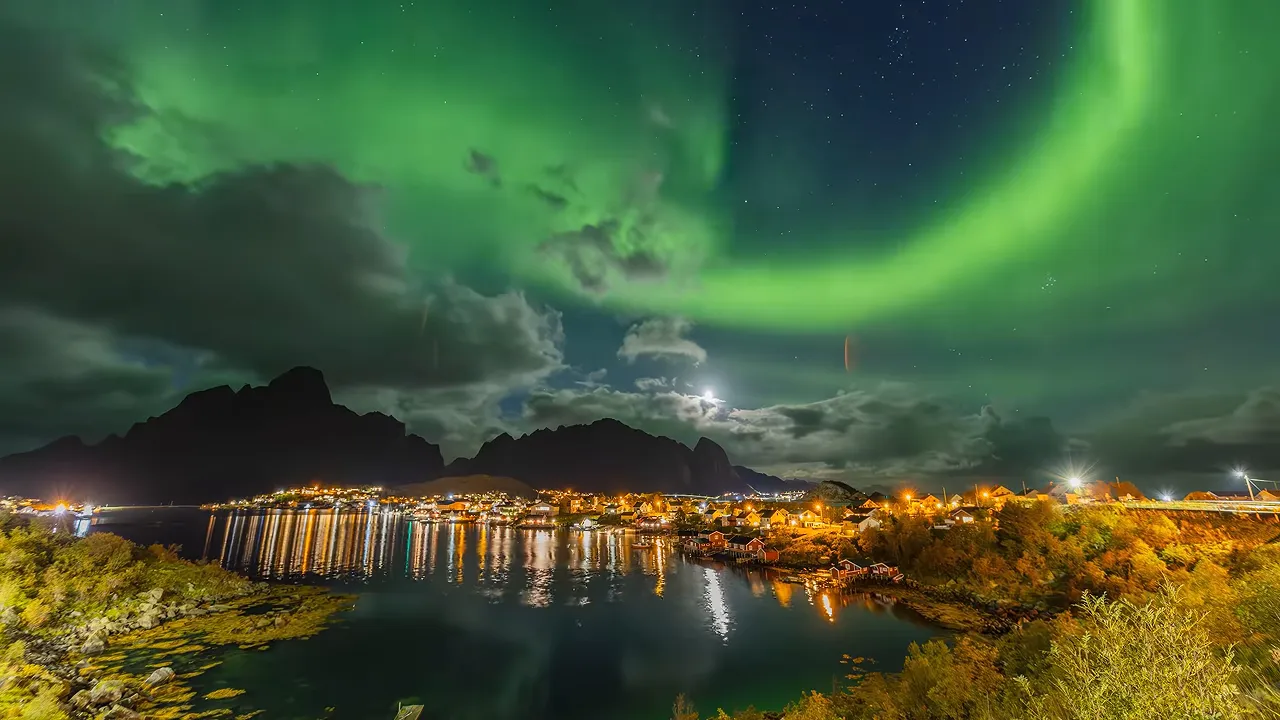
Panoramas, focus stacks, and exposure blends
When I'm creating a panorama, I want a consistent exposure across the individual photographs that will make up the finished image. I don't want the camera making a new exposure decision every time I change the framing.
Focus stacking is another situation where consistency matters. I'm changing the focus between frames, but I don't want the exposure wandering as I work through the set.
For exposure blends, the exposures may intentionally differ. The important thing is that those differences are planned. I want the settings exactly where I need them, rather than having the camera introduce adjustments I didn't choose.
Tripod work in steady light
If I'm on a tripod and nothing is unfolding quickly, there's often no reason to hand exposure decisions over to the camera. I have time to work carefully, and the conditions aren't forcing me to keep making changes.
That's where manual mode feels useful to me. It gives me the consistency and control the situation actually needs.
Manual Mode With Auto ISO: Control What Matters, Delegate the Rest
I really like manual mode with Auto ISO, especially when I'm photographing handheld in changing light.
With this setup, I choose the aperture and shutter speed, and the camera adjusts ISO. That means I can hold on to two settings that directly affect the appearance and sharpness of the photograph without adjusting all three every time the light changes.
It's particularly useful when I need a shutter speed I can comfortably handhold. I can set the shutter speed where I need it for a sharp image, choose my aperture, and let the camera handle ISO.
My common uses include:
- Handheld photography in changing light: I don't need to manually adjust ISO every time I move into a brighter or darker area.
- Situations where a safe handheld shutter speed matters: I can keep that speed fixed rather than let it drift too slow.
- Moving subjects: Wildlife or a person included for scale in a landscape may move, so controlling shutter speed becomes more important.
Modern cameras are capable tools. That doesn't mean they get everything right every time, but they can handle a lot of this work well. Letting the camera adjust ISO doesn't take away my decisions about motion or depth of field. It simply removes one adjustment I don't always need to make myself.
Aperture Priority: When Depth of Field Comes First
Aperture priority is a mode I've come to love. When aperture is the setting that matters most, I choose it and let the camera handle shutter speed.
Maybe I want f/8. Maybe it's f/11 or f/4. The particular number depends on the photograph, but the principle stays the same: I decide what aperture I need, and the camera responds to changes in light.
This is useful when depth of field, the range of distances that appears acceptably sharp, is my main concern.
Woodland photography in changing light
Woodlands are a perfect example of where I used to make things harder than necessary. I would walk between shade and brighter patches, repeatedly adjusting shutter speed in manual mode just to maintain the exposure.
If my aperture is staying the same anyway, aperture priority can take over that repetitive work. I still choose the depth of field I want, but I spend less time turning a dial and more time looking for a photograph.
Relaxed travel and walkaround photography
I also use aperture priority for travel photography, especially when I'm walking around with very little gear and no pressure to create a particular image.
Using a fixed-lens camera helped reinforce this for me. There's no lens choice to make and no focal length to debate. I grab it and go. That simplicity encouraged me to experiment more with aperture priority and shutter priority, too.
Once I stopped insisting on controlling every setting, the whole experience felt more freeing. The camera was doing less to interrupt the process.
When depth of field is my priority, aperture priority is often the most straightforward tool for the job.
Shutter Priority: When Motion Matters Most
Shutter priority reverses that relationship. I choose the shutter speed, and the camera chooses the aperture. If Auto ISO is enabled, ISO can adjust as well.
I reach for this mode when the way motion appears matters more than choosing a specific aperture.
A waterfall is a good example. Sometimes I want to freeze the water rather than smooth it out, because I want the photograph to communicate its power. I might choose 1/1000 second and let the camera work out the other exposure settings.
The same idea applies to:
- Birds in flight, including puffins.
- Other moving wildlife.
- Leaves and branches moving in the wind.
- Scenes where freezing movement is more important than holding a particular aperture.
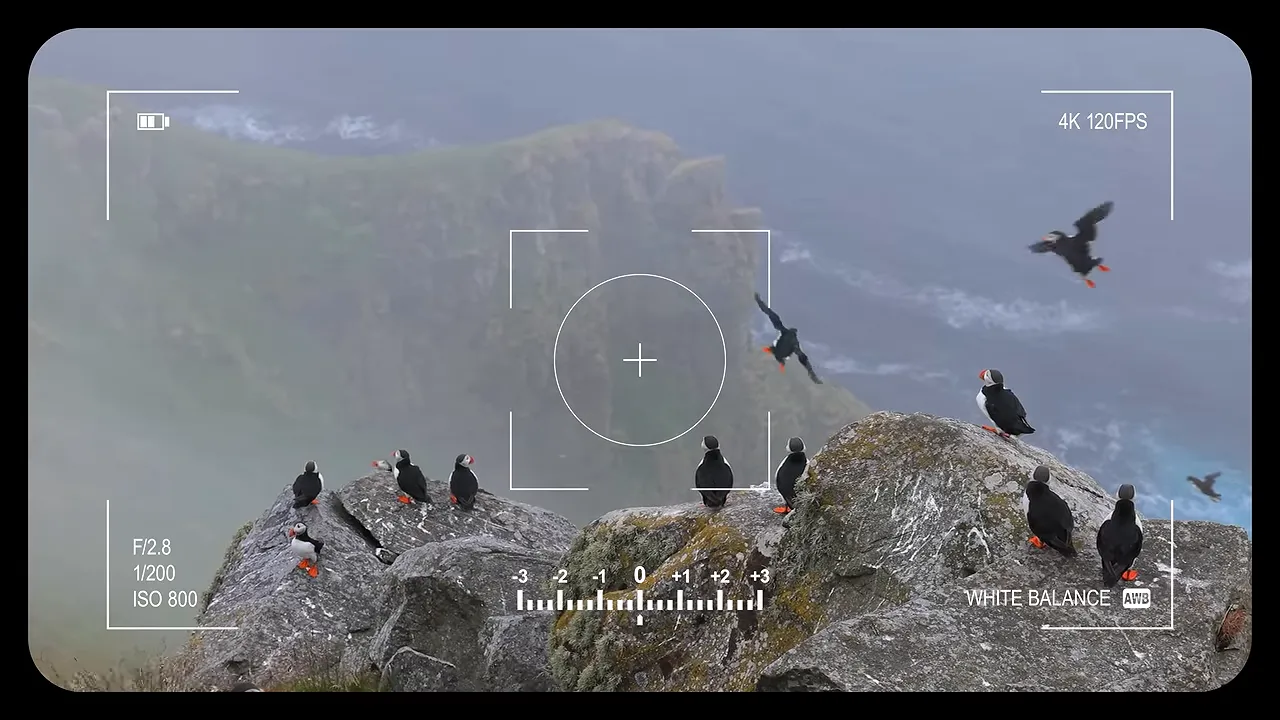
Wildlife is a good reminder that more than one setup can make sense. I might use shutter priority when motion is my main concern. If I want to choose both shutter speed and aperture, manual mode with Auto ISO gives me that combination.
These aren't competing rules. They're different ways to keep control over the settings that matter for a particular photograph.
Choose a Camera Mode for the Scene, Not for Your Identity
I still catch myself falling back into old habits. I'll spend a few minutes, or even half an hour, photographing in manual mode before asking why I'm doing all that extra work.
Could I be using aperture priority? Would shutter priority make this easier? Could I enable Auto ISO and stop making the same adjustment over and over?
It's easy to get attached to the feeling of controlling everything. I'm still working through that myself. But familiarity doesn't automatically make a mode the most efficient choice.
Here's the simple decision process I keep coming back to:
- Need complete control or consistency across a set? Use manual mode.
- Need to hold both aperture and shutter speed while the light changes? Consider manual mode with Auto ISO.
- Is depth of field the main concern? Consider aperture priority.
- Is the appearance of motion the main concern? Consider shutter priority.
Learning manual mode was valuable. It helped me understand exposure, and that understanding still informs every other mode I use.
What I no longer want is to spend more attention operating the camera than creating the photograph. The goal isn't to prove that I can make every adjustment myself. It's to make the decisions that matter, let the camera help where it can, and keep my attention on the light and composition in front of me.


